More than sixty years later, the Columbus Day Storm is still the windstorm western Oregon measures others against.
On October 12, 1962, the remnants of a Pacific typhoon swept up the Willamette Valley. The National Weather Service recorded a peak gust of 90 mph at Hillsboro. Many Oregon cities were without power for two to three weeks.
What it looked like in Hillsboro
Hillsboro photographer H. E. McMullen documented the aftermath. His photographs, held in Pacific University’s archive, show broken trees and debris across the Washington County Courthouse lawn, firs down in residential yards, and farm buildings flattened across the county.
What it teaches about roofs
Wind doesn’t push a roof off all at once. It finds an edge, an aged shingle tab, a dry ridge cap, a loose flashing, and peels from there. Once one piece goes, the next is exposed.
That’s why the way a roof is held matters:
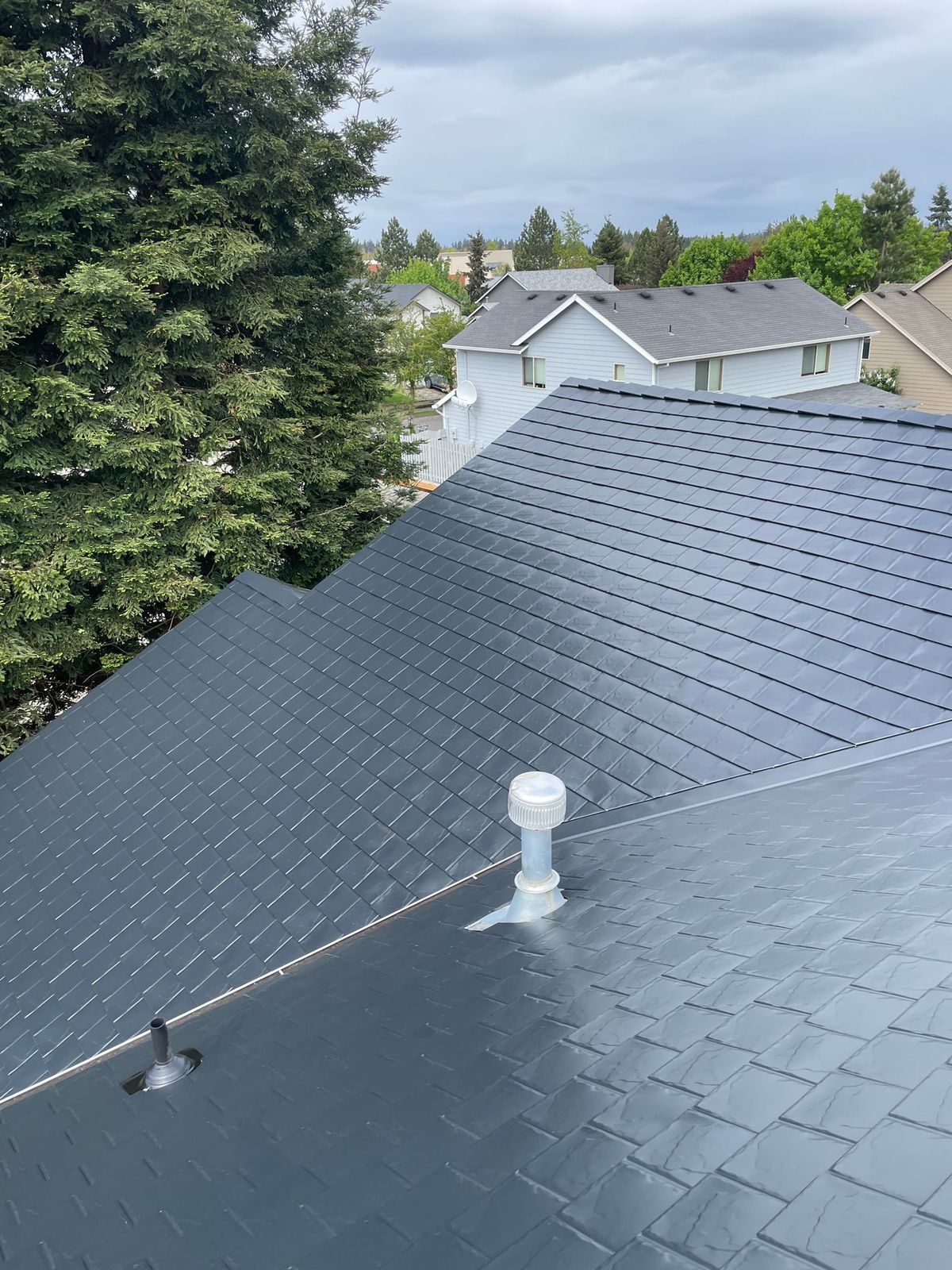
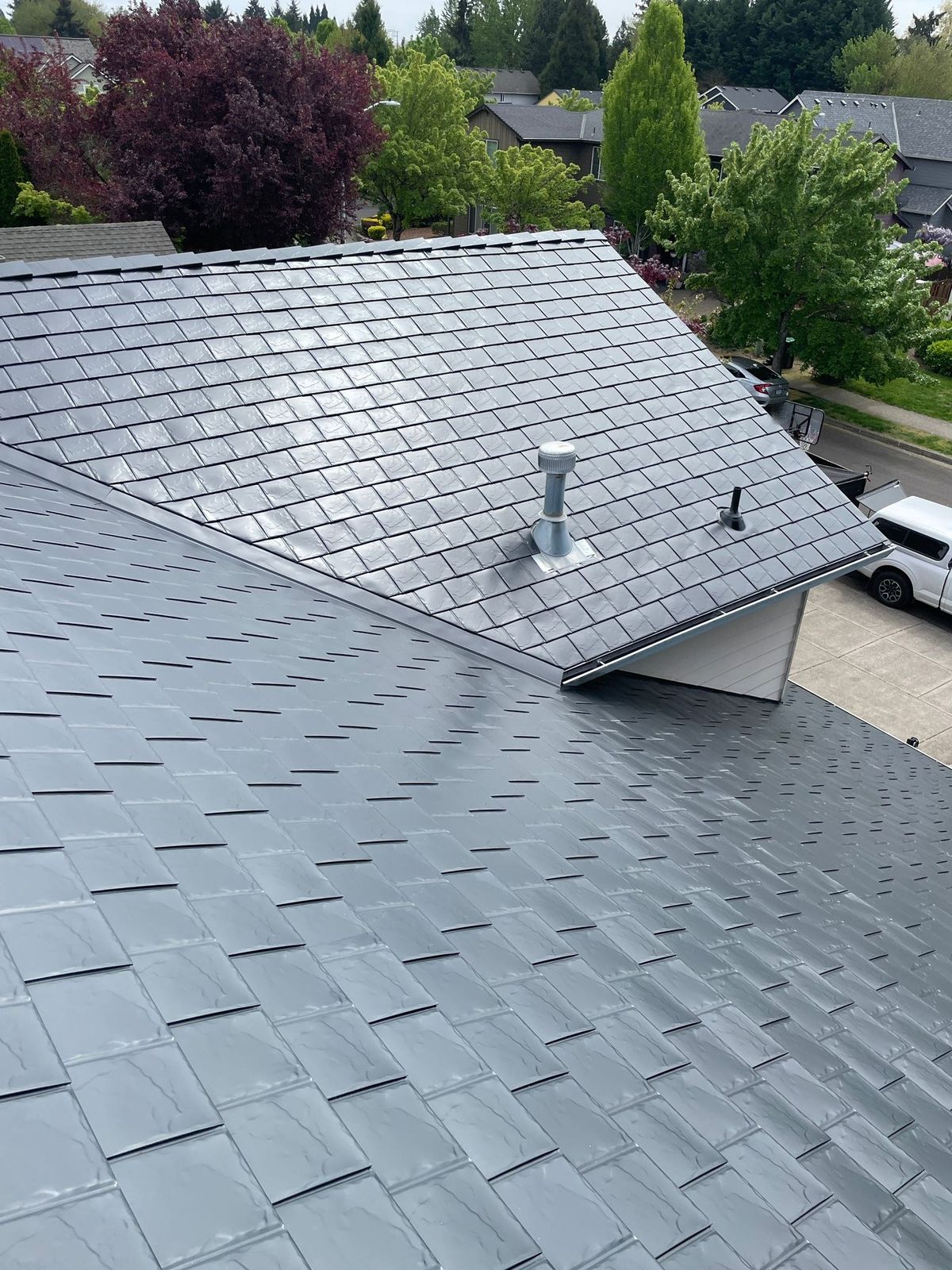
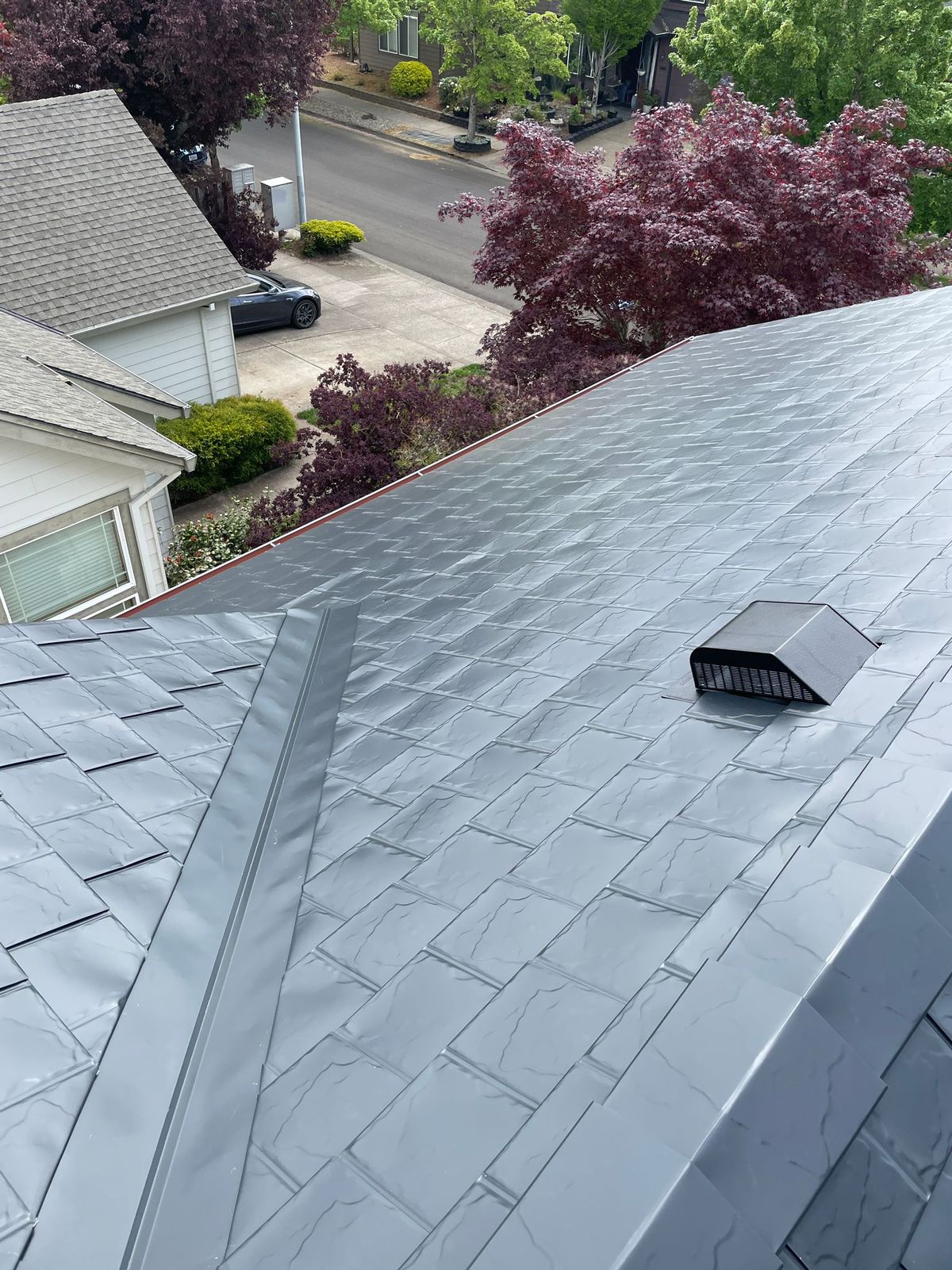
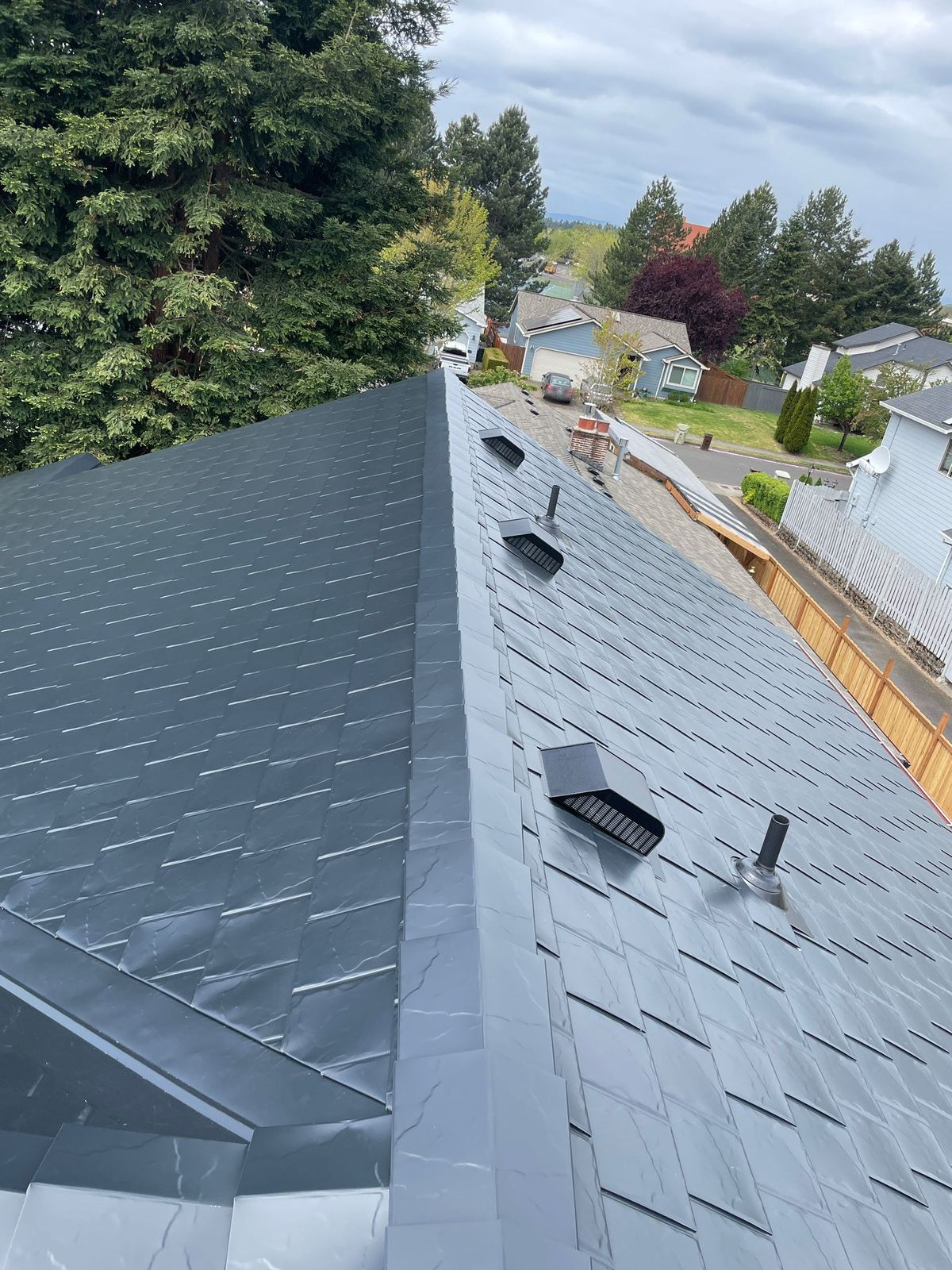
- Interlocked on four sides. Each Interlock® panel locks into the row below and the panel beside it.
- Fasteners concealed. They sit under the next course, out of the wind and weather.
- Warranted. Wind resistance is warranted to 120 mph installed to manufacturer specification.
In 1962, as in January 2024, falling trees did much of the damage. Have an arborist check big trees near the house.
Sources: National Weather Service; Pacific University Archives, H. E. McMullen collection.